The Nature of Hollow Board Rigidity
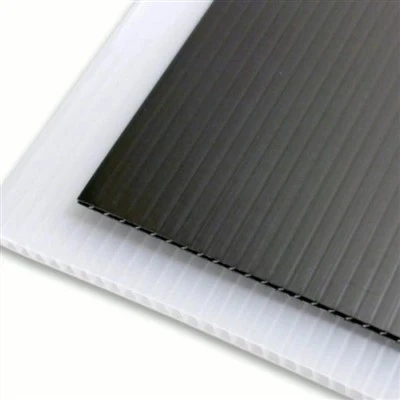
Hollow boards can be either flexible or rigid, depending primarily on their material composition and structural design. Common polypropylene (PP) hollow boards typically possess a degree of toughness, exhibiting elastic deformation when bent by hand, whereas composite hollow boards incorporating reinforcing materials tend to be more rigid. The board's honeycomb-like hollow structure reduces weight while providing cushioning properties through the air pockets within.
Three Key Factors Influencing Rigidity
Base Material Properties: Polyethylene (PE) boards are softer than polypropylene (PP) boards.
Wall Thickness: Boards with a 1mm wall thickness are easier to bend than those with a 3mm thickness.
Reinforcement Processes: Adding glass fiber or carbon fiber significantly increases the board's rigidity.
Practical Selection Advice
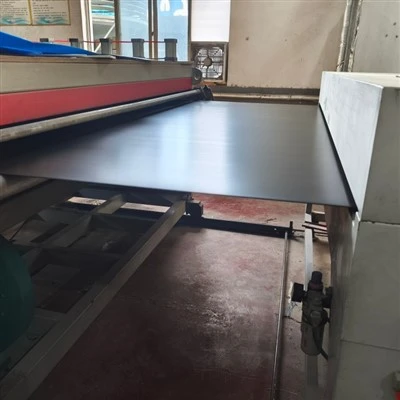
Logistics packaging typically utilizes boards of moderate rigidity, balancing cargo protection with ease of folding and storage; conversely, architectural partitions require rigid boards to ensure structural stability. The most direct method to assess rigidity is to observe the board's deflection under its own weight: boards that sag noticeably at the ends when laid flat are considered flexible, while those that remain straight are considered rigid.